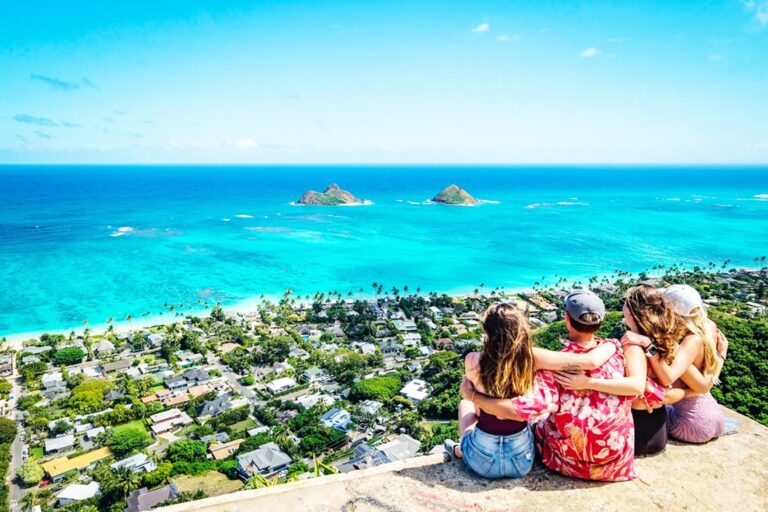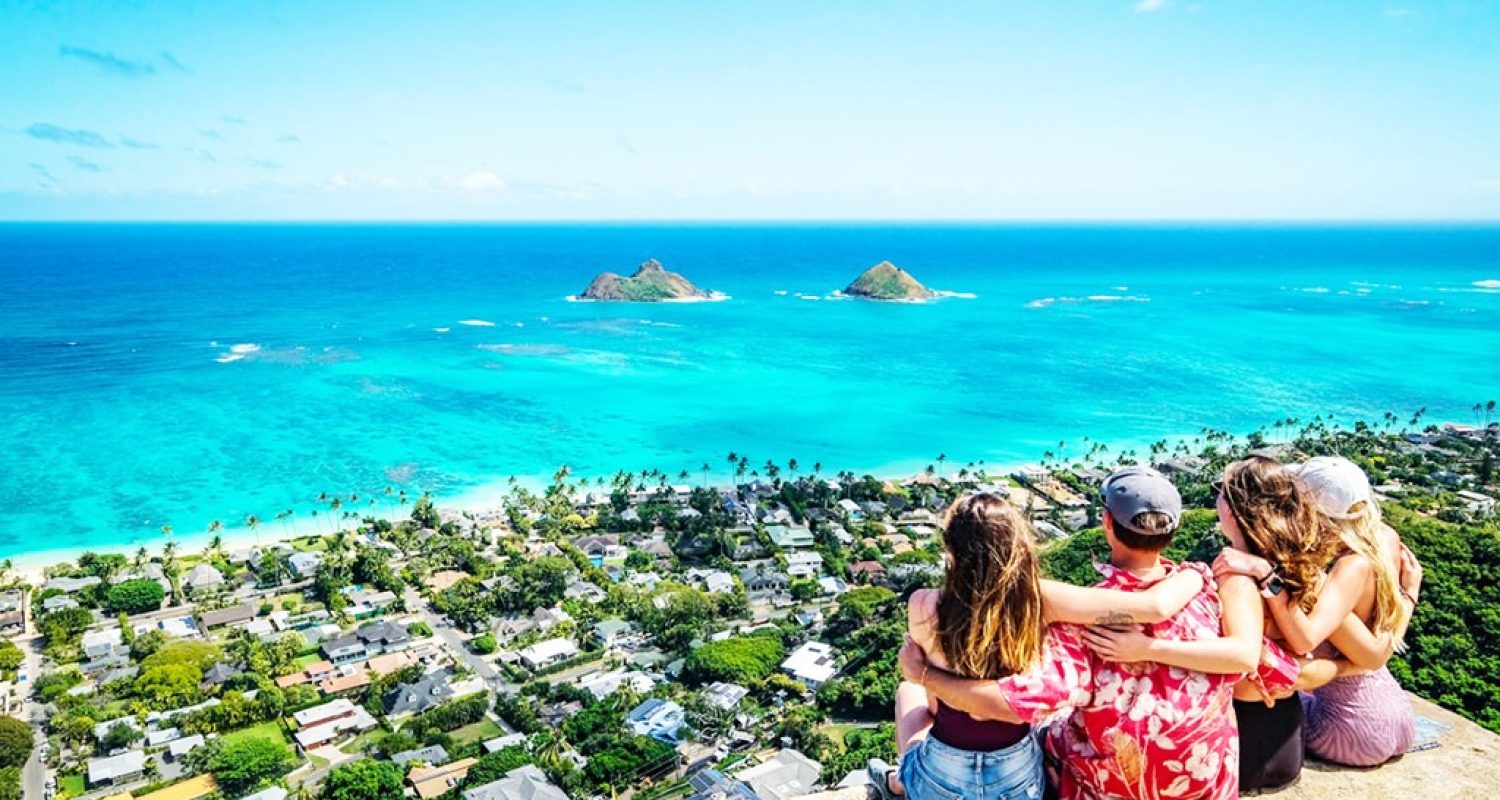
For most travelers, the best time to visit Oahu is April to May or September to mid-November. The weather is warm and mostly dry, crowds are lighter, and prices are usually lower than in peak season. Winter, December to March, is best for whale watching and big North Shore surf. Summer, June to August, is best for calm water and snorkeling on the North Shore, but it’s busier.
The good news: Oahu has no bad month. Here’s how each one compares, so you can choose the right time for your trip.
The short answer, by what you want
| If you want | Go in |
|---|---|
| The best balance of weather, crowds and price | April to May, or September to mid-November |
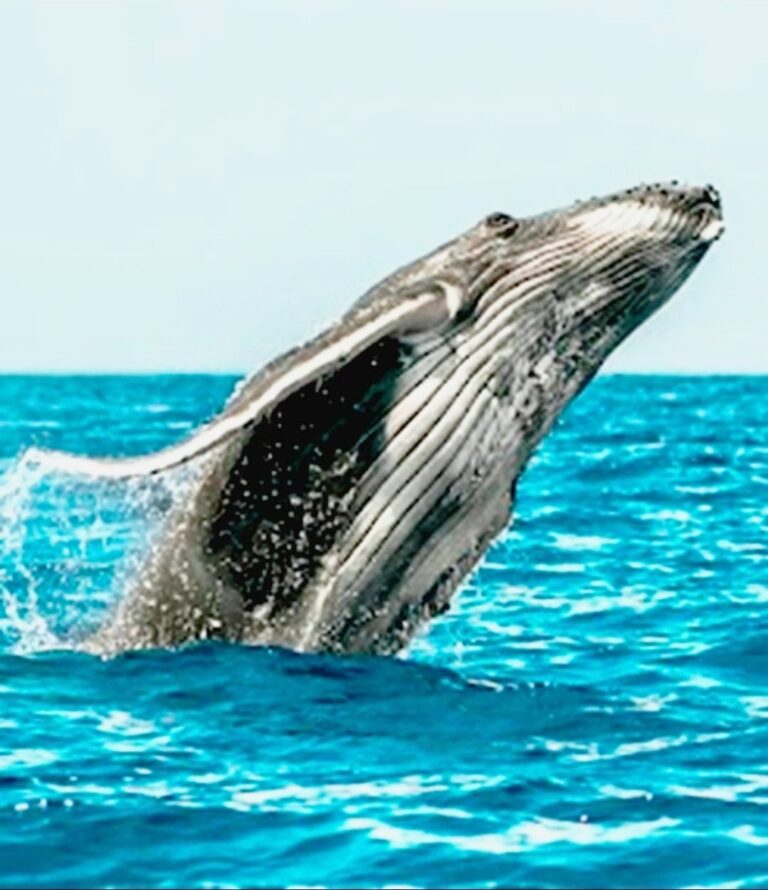
| Humpback whales | November to April, most reliably mid-winter |
| Big-wave surf on the North Shore | Roughly November to March |
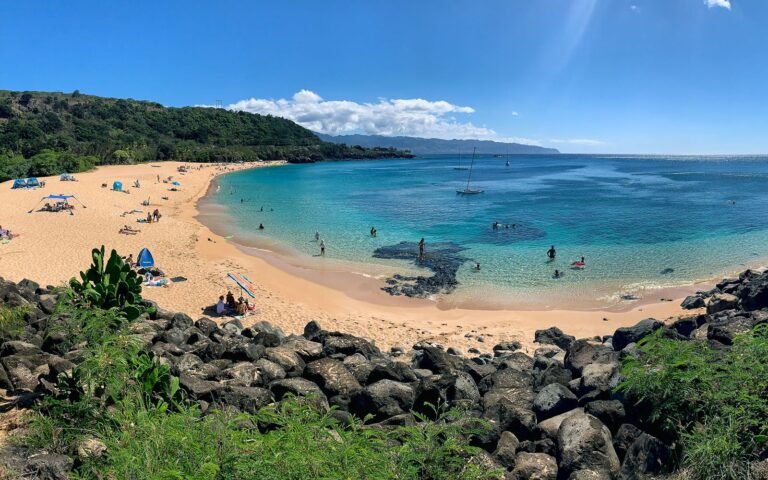
| Calm North Shore water for swimming and snorkeling | Roughly May to September |
| The warmest ocean | Late summer and early fall |
| Fewer crowds | April to May, and September to mid-November, avoiding holiday weeks |
| Holiday atmosphere | December |
Oahu’s two seasons
Hawaii traditionally recognizes two seasons: kau, the warmer, drier season from roughly May to October, and hoʻoilo, the cooler, wetter season from roughly November to April.
“Cooler” in Honolulu still means average highs in the low 80s °F in winter, rising to the high 80s °F in late summer. “Wetter” usually means passing showers, not days of rain, and it’s heavier on the windward side than in Waikiki. You can swim in the ocean in every month of the year.
Month by month
January
Peak whale season and big North Shore surf. It’s one of the cooler, wetter months, but still warm by mainland standards. Winter escapes make it busy, and prices are high around New Year’s.
February
Whales are still plentiful, the surf is still up, and Presidents’ Day weekend brings a mainland holiday crowd. A great month for whale watching from shore.
March
Whale sightings start to taper off later in the month. Spring break brings families from the mainland, so book ahead. The weather starts to settle.
April
A shoulder month. Spring break can spill into early April, but after that crowds thin out, the weather dries, and prices often ease. Whale season winds down.
May
One of the best months of the year. It’s dry and warm, crowds are light before the summer rush, and the North Shore starts to calm down. Lei Day, May 1, celebrates Hawaii’s lei-giving tradition. Memorial Day weekend is busy.
June
Summer begins. The North Shore is often calm enough for swimming and snorkeling, and school holidays bring more families. King Kamehameha Day on June 11 is a state holiday, usually marked with a floral parade. Central Pacific hurricane season begins on June 1, although direct hits on Oahu are rare.
July
The busiest summer month. It’s hot and dry, with calm North Shore water and good snorkeling. Fourth of July fireworks draw big crowds, so book early.
August
Still hot, dry and busy, with warm water and calm North Shore conditions. Statehood Day, a Hawaii state holiday, falls on the third Friday of August.
September
One of the best-value months. Mainland schools are back, crowds drop after Labor Day weekend, and the ocean is at its warmest. The Aloha Festivals, celebrating Hawaiian culture, usually take place in September.
October
Warm weather, lighter crowds and good value. The first winter swells can start to reach the North Shore late in the month. Showers begin to pick up, particularly on the windward side.
November
Whales begin arriving, and big-wave season starts on the North Shore. Rain becomes more frequent, but mostly in short bursts. Thanksgiving week is busy, while the rest of the month is often good value.
December
The holiday season. Waikiki fills up in the second half of the month, and prices rise. Honolulu City Lights brightens downtown, the Honolulu Marathon usually runs in December, and December 7 marks Pearl Harbor Remembrance Day. Whales and big surf are both back.
Every season is a good one for the island loop. In winter, watch for whales off the southeast coast and big surf on the North Shore. In summer, enjoy calmer water during 75 minutes at Turtle Beach. The Standard tour is $59, with free snorkel gear. Check dates and book
The best time for snorkeling
For snorkeling on the North Shore, go in summer, roughly May to September, when the water is often calm. The protected inner reef at Hanauma Bay can be good all year, and it’s open Wednesday to Sunday with a reservation. Our guide to whether Hanauma Bay is worth it explains the booking window.
Whatever the season, snorkel in the morning, when water is often calmer and clearer, and always check conditions first.
The best time for the North Shore
It depends what you’re going for. Winter is for watching some of the most powerful surf in the world from the sand. Summer is for swimming, snorkeling and lazy beach days. Our guide to Waimea Bay, Laniakea and Sunset Beach explains how each beach changes through the year. Turtles are there all year round.
Myths about Oahu weather
- “It rains all winter.” Winter showers are usually brief, and Waikiki and the leeward side stay relatively dry.
- “Summer is too hot.” It’s warm, but the trade winds usually keep it comfortable.
- “Hurricane season means storms.” The season runs from June through November, but direct hits on Oahu are rare. Travel insurance is sensible any time of year.
Booking tips by season
- Peak months (mid-December to March, and June to August): book flights, hotels and tours early, and reserve Pearl Harbor and Hanauma Bay as soon as their windows open.
- Shoulder months (April to May, September to mid-November): more flexibility and better prices, but still book popular activities in advance.
- Holiday weeks: Thanksgiving, Christmas to New Year’s, Presidents’ Day and spring break fill up fastest.
Good to know (checked September 2026)
NOAA’s Hawaiian Islands Humpback Whale National Marine Sanctuary says whales can be seen from November through April. Central Pacific hurricane season runs from June 1 to November 30. Event dates change from year to year, so check before you plan around one.
FAQ
What is the best month to visit Oahu?
May and September are often the best overall: warm, mostly dry, with lighter crowds and better prices than peak season. For whales, choose mid-winter. For calm North Shore water, choose summer.
What is the cheapest time to visit Oahu?
Usually the shoulder seasons, April to May and September to mid-November, avoiding holiday weeks such as Thanksgiving.
When is whale season on Oahu?
From November through April, according to NOAA’s humpback whale sanctuary. Sightings are most reliable in mid-winter.
When is the rainy season on Oahu?
Roughly November to April. Showers are usually short, and they’re heavier on the windward side than in Waikiki.
Is Oahu good to visit in December?
Yes, especially for whales, big-wave surf and holiday events, but it’s one of the busiest and most expensive months, particularly in the second half. Book early.
Choose your season, then plan your day
Whatever month you choose, Oahu delivers. Choose your season for what you want most, whether that’s whales, waves, calm water or value, and book the popular things early.
Plan your island day for any month. Book the $59 Standard full-day tour, or see the $49 Promo Full-Day Loop and current offers.
Aloha Fantasy Tours has run circle island tours on Oahu since 2010.