The North Shore’s big waves usually arrive between November and March, when storms far out in the North Pacific send long swells to Oahu. Lifeguards treat the whole winter season, which can run from October into April, as the most dangerous time of year on this coast. On big days, the right way to enjoy the North Shore is from the sand: watch the surfers at Waimea Bay, Pipeline and Sunset Beach, stay off wet rocks, and swim only where a lifeguard tells you it’s safe.
Here’s how winter on the North Shore works, where to watch, and how to plan a safe day.
Why the North Shore gets such big waves in winter
In winter, powerful storms track across the North Pacific. The wind from those storms builds swells that travel thousands of miles with nothing in the way until they reach Hawaii. Oahu’s North Shore faces straight into them.
The reefs do the rest. Swells that have crossed open ocean hit shallow reef close to shore and stand up suddenly, which is why the waves here are so tall, so fast and so heavy. It’s also why the same beaches that look like lakes in July can be dangerous in January.
In summer the pattern flips. The North Pacific calms down, the North Shore often goes flat, and the south shore around Waikiki gets the swells instead.
When is big-wave season?
| Typical conditions on the North Shore | |
|---|---|
| June to September | Usually calm. Good for swimming and snorkeling at lifeguarded beaches |
| October | The first winter swells can arrive. Conditions change from day to day |
| November to March | Big-wave season. Heavy surf on many days, dangerous shorebreak and currents |
| April to May | Swells ease off, but big days still happen |
These are patterns, not promises. A calm week in January and a surprise swell in October both happen. The only reliable guide is the forecast and the lifeguard on duty that day.
How big is “big”?
The National Weather Service in Honolulu measures surf by the full face of the wave, from trough to crest. For north-facing shores, it issues a High Surf Advisory when waves reach 15 feet and a High Surf Warning at 25 feet. On warning days, waves can wash across beaches and even onto Kamehameha Highway, and lifeguards may close beaches entirely.
If you hear “high surf advisory” on the morning news, take it literally: the ocean on the North Shore is not for swimming that day.
Where to watch the big waves
The famous breaks all sit along a few miles of Kamehameha Highway east of Haleʻiwa. Each one is a different kind of show.
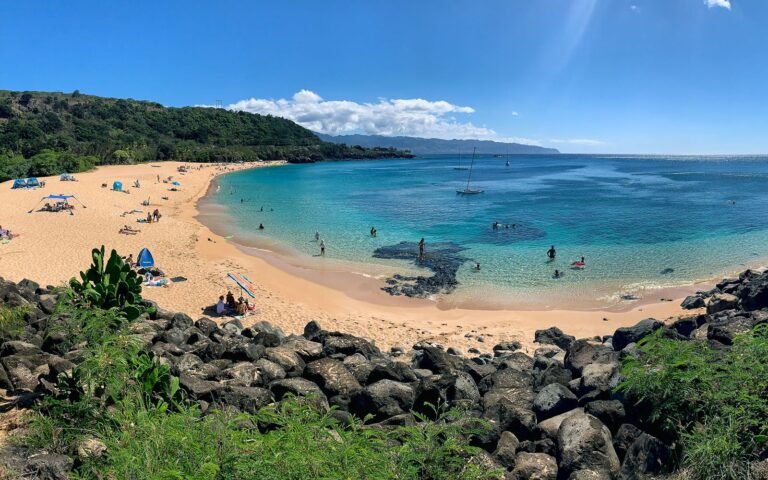
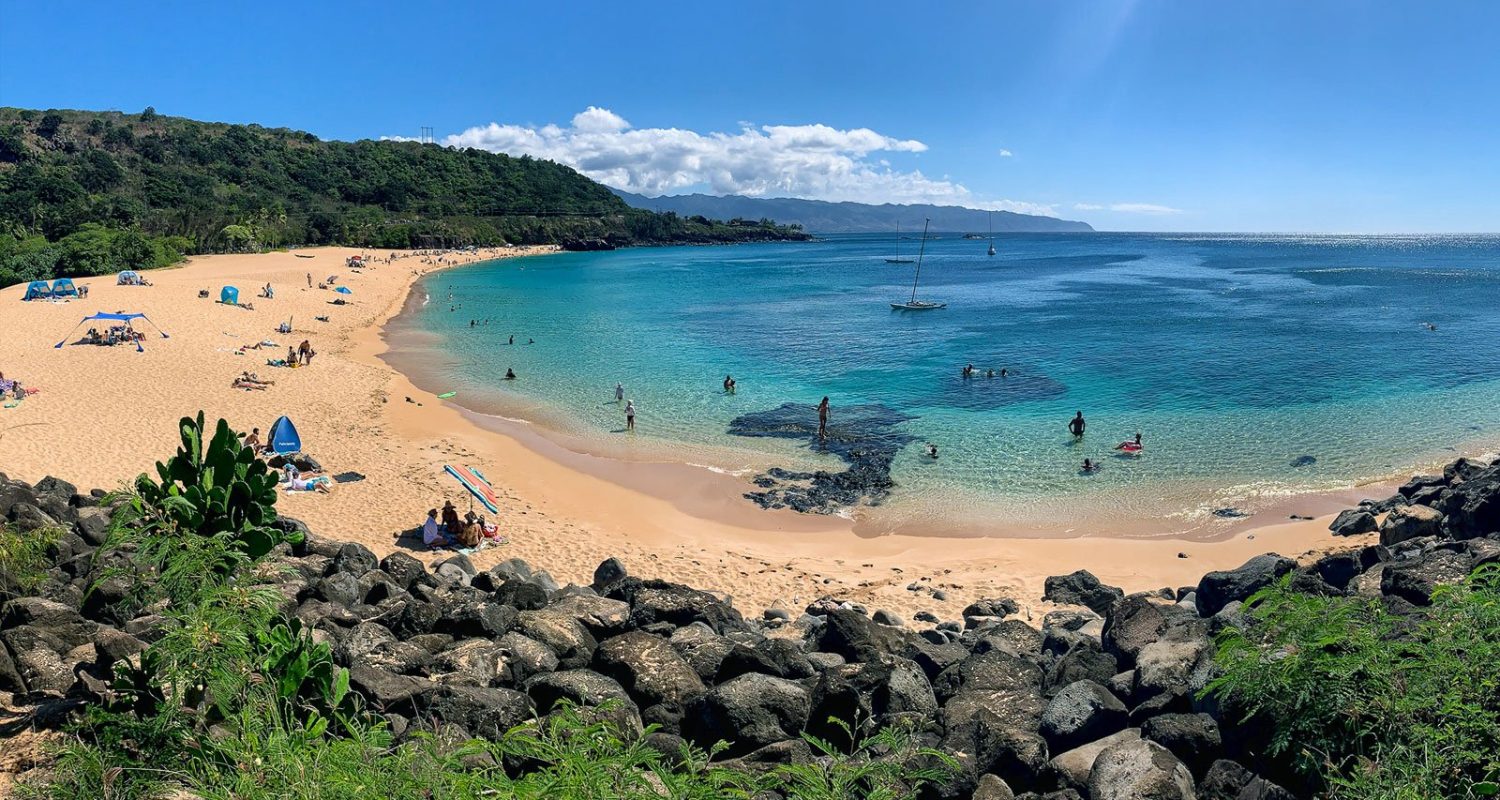
- Waimea Bay. On the biggest days, giant waves break across the mouth of the bay. Waimea is the home of big-wave surfing and of the contest held in memory of Eddie Aikau, which runs only when the waves are big enough, and in many winters not at all.
- ʻEhukai Beach Park and the Banzai Pipeline. A hollow, powerful wave breaking over shallow reef close to shore. You can watch expert surfers from the sand at close range.
- Sunset Beach. A long, open beach with big, shifting peaks out on the reef. It’s a good place to watch from a distance and spread out.
- Haleʻiwa. The North Shore’s main town, west of the famous breaks, with places to eat and shop between beach stops.
For a beach-by-beach guide, see our explainer on Waimea Bay, Laniakea and Sunset Beach.
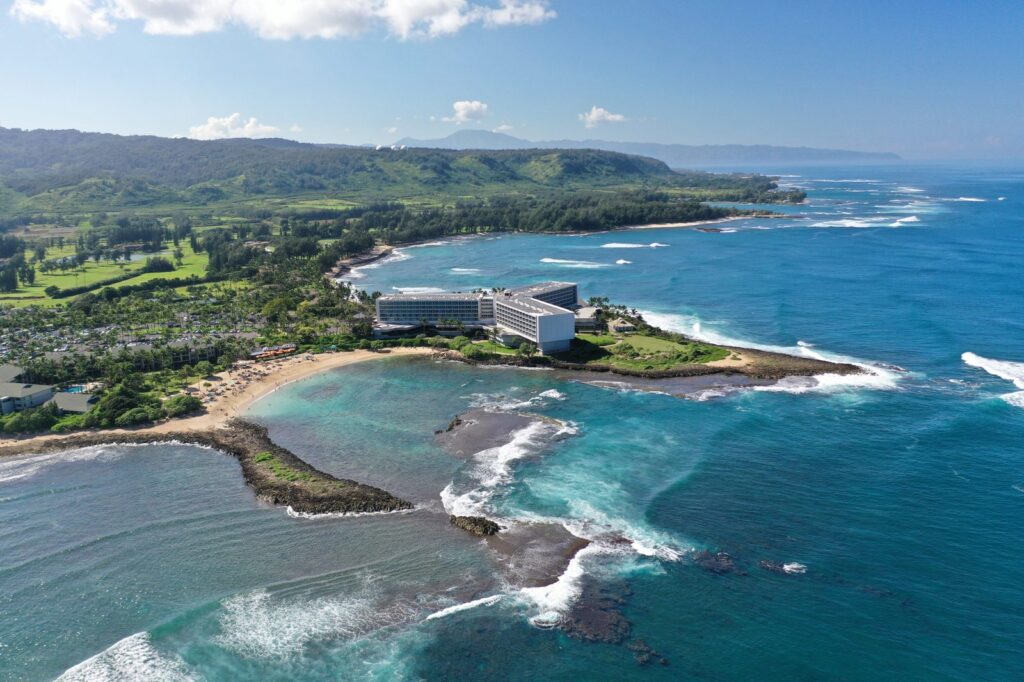
See the North Shore in winter without the parking hunt. Our full-day circle island tour spends 1 hour and 15 minutes at Turtle Beach, the longest stop of the day, after lunch at Tanaka’s Kahuku Shrimp. Pickup is from six points in Waikiki, starting at 6:50 a.m. The Standard tour is $59. See the full-day tour
Staying safe: the rules lifeguards repeat every winter
North Shore lifeguards say the same things every season because the same accidents keep happening. These are the ones that matter most:
- Swim only at a lifeguarded beach, and ask the lifeguard first. They know the currents, the rip spots and how the day is changing. If they say stay out, stay out.
- Stay off wet rocks and ledges. Many winter injuries happen to people who are not in the water at all. A set of waves can sweep across rocks that looked dry a minute earlier.
- Keep well back from the water’s edge. Winter waves surge much farther up the sand than people expect. Watch from the dry, upper beach.
- Never turn your back on the ocean, even for a photo.
- Watch the shorebreak. Waves dumping straight onto the sand can injure strong swimmers, especially the neck and back.
- Obey signs, flags and closures. They’re posted because people get hurt.
- When in doubt, don’t go out. Watching the surf from the beach is the whole point on a big day.
If you see someone in trouble, call 911 and alert the nearest lifeguard. Don’t go in after them.
The turtles are still there in winter
Winter doesn’t chase away the honu. Green sea turtles still haul out on North Shore beaches to rest, including at Laniakea, often with big surf rolling in behind them. NOAA’s guidance is to stay at least 10 feet away, on land and in the water, and never touch or feed them. Our guide to seeing sea turtles at Turtle Beach explains the rules and the reasons behind them.
Traffic and parking on big-surf days
When a big swell or a contest is running, everyone wants to see it. Kamehameha Highway is mostly one lane each way, and parking along the North Shore beaches is limited.
- Go early. Mornings are quieter, and the light is often better for watching.
- Park only in legal spots. Don’t stop on the highway or block driveways.
- Take care crossing the road. Drivers are watching the waves too.
- Don’t leave valuables in your car at beach parking areas.
If you’d rather not drive it yourself, our circle island tour or rental car comparison sets out the costs and the trade-offs.
A winter day on the North Shore that works
Swimming is mostly off the table on big days, but the North Shore is still one of the best days you can have on Oahu in winter.
- Morning: watch the surf at Waimea Bay, Pipeline or Sunset Beach while the crowds are small.
- Lunch: garlic shrimp from one of the Kahuku trucks. See our North Shore shrimp truck ranking.
- Afternoon: turtles at Laniakea, fruit stands along the highway and a wander through Haleʻiwa.
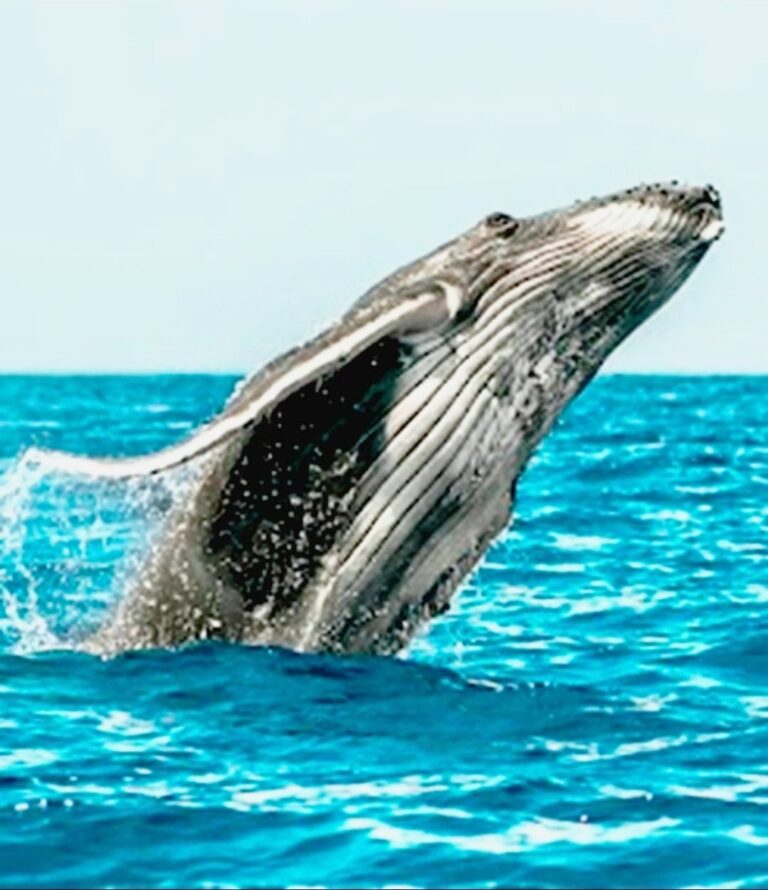
- Keep an eye offshore: winter is also humpback whale season around Hawaii. Our whale watching guide covers when and where to look.
On the tour, the free snorkel gear included with the Standard tour is only used when conditions allow. In winter, that often means a day of watching rather than snorkeling, and that’s the right call.
Good to know (checked October 2026)
The National Weather Service in Honolulu issues a High Surf Advisory for north-facing shores at 15-foot faces and a High Surf Warning at 25 feet. Check current conditions at Hawaii Beach Safety and the state’s ocean safety site, and always ask the lifeguard on duty. NOAA recommends staying at least 10 feet from sea turtles. The Eddie Aikau contest’s waiting period has opened in early December in recent seasons, and it runs only if the waves are big enough.
FAQ
When are the big waves on the North Shore?
Usually from November through March, when North Pacific storms send swells to Oahu. The first swells can arrive in October and big days still happen in April. Summer is usually calm.
Can you swim on the North Shore in winter?
On calm days at a lifeguarded beach, sometimes. On big days, no. Always ask the lifeguard before going in, and stay out entirely during a High Surf Advisory or Warning.
Where is the best place to watch big waves on Oahu?
Waimea Bay, ʻEhukai Beach Park facing the Banzai Pipeline, and Sunset Beach. Watch from the dry upper beach, well back from the water.
What does a High Surf Warning mean on the North Shore?
It means the National Weather Service expects waves of 25 feet or more on north-facing shores. Beaches may close, and waves can reach roads and beach parks. Stay away from the shoreline.
Is the North Shore worth visiting in winter?
Yes. Watching big-wave surfing is one of Oahu’s great winter experiences, and the turtles, food trucks and Haleʻiwa town are all there year-round. Just plan to watch the ocean rather than swim in it.
Does the Eddie Aikau contest happen every winter?
No. It runs only when waves at Waimea Bay are consistently big enough, which happens rarely. In many winters the waiting period ends without the contest being held.
Watch, respect, enjoy
The North Shore in winter is the ocean at full strength. Give it room, listen to the lifeguards, and it will give you one of the most memorable days of your trip.
Spend a winter day on the North Shore. Book the $59 Standard full-day tour, see the $49 Promo Full-Day Loop with code FANTASY50, or plan a private charter for your group.
Aloha Fantasy Tours has run circle island tours on Oahu since 2010.