Pack light for Oahu in any season: breathable clothes, swimwear, sandals plus one pair of closed shoes, a hat, a reusable water bottle and mineral sunscreen. What changes with the season is the extras. From about November to March, add a light rain jacket and a warm layer for evenings, because winter brings more showers and cooler nights. From about April to October, add more sun protection, such as a rash guard and a wide-brimmed hat, for the hotter, drier months.
Here’s the full list, season by season.
What the weather actually does
Oahu is warm all year. The seasons are subtle, but they’re real.
| Month | Average high | Average low | Average rain (Honolulu) |
|---|---|---|---|
| January | 80°F | 67°F | 1.8 in |
| April | 83°F | 70°F | 0.8 in |
| July | 88°F | 75°F | 0.5 in |
| October | 87°F | 74°F | 1.5 in |
These are normals for Honolulu, on the dry south shore. The windward side and the mountains get much more rain, and in winter a shower can roll over one side of the island while the other stays sunny. Rain on Oahu is usually brief, so it rarely ruins a day, but it’s the reason a light jacket earns its place in winter.
The year-round basics
Pack these whatever month you travel:
- Light, breathable clothes: cotton or linen shirts, shorts, a sundress or two. Most places on Oahu are casual.
- Swimwear, at least two, so one can dry.
- Sandals or slippers (what locals call flip-flops) for the beach and town.
- One pair of closed shoes with grip, for lookouts, short hikes and wet rocks.
- A hat and sunglasses. The sun is strong even on cloudy days.
- Mineral sunscreen (see the reef-safe rules below).
- A reusable water bottle. You’ll drink more than you expect.
- A light layer for air-conditioned restaurants, buses and early mornings.
- A small day bag that holds water, sunscreen and a towel.
- One nicer outfit for a dinner out. A collared aloha shirt or a sundress is dressy enough almost everywhere.
Add this in winter (November to March)
- A packable rain jacket. Showers are more frequent, especially on the windward side and in the mountains.
- A warm layer such as a light fleece or sweater. Evenings near the water can drop into the 60s.
- Closed shoes you don’t mind getting muddy, if you plan to hike. Trails stay wet after rain.
- Binoculars if you’re visiting during whale season, November to April, with the most sightings in mid-winter. Our whale watching guide explains when and where to look.
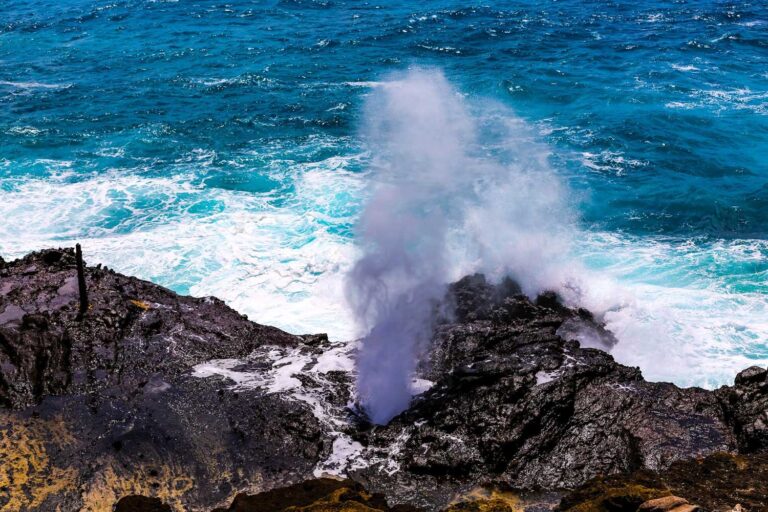
- A plan to watch, not swim, on the North Shore. Winter swells bring huge waves. Bring a camera, not a boogie board. See North Shore in winter for how to watch the surf safely.
Add this in summer (April to October)
- A rash guard or long-sleeved swim shirt. It protects your back and shoulders while snorkeling without extra sunscreen.
- A wide-brimmed hat, not just a cap.
- Electrolyte tablets or snacks with salt if you’ll be hiking or on the beach for long stretches.
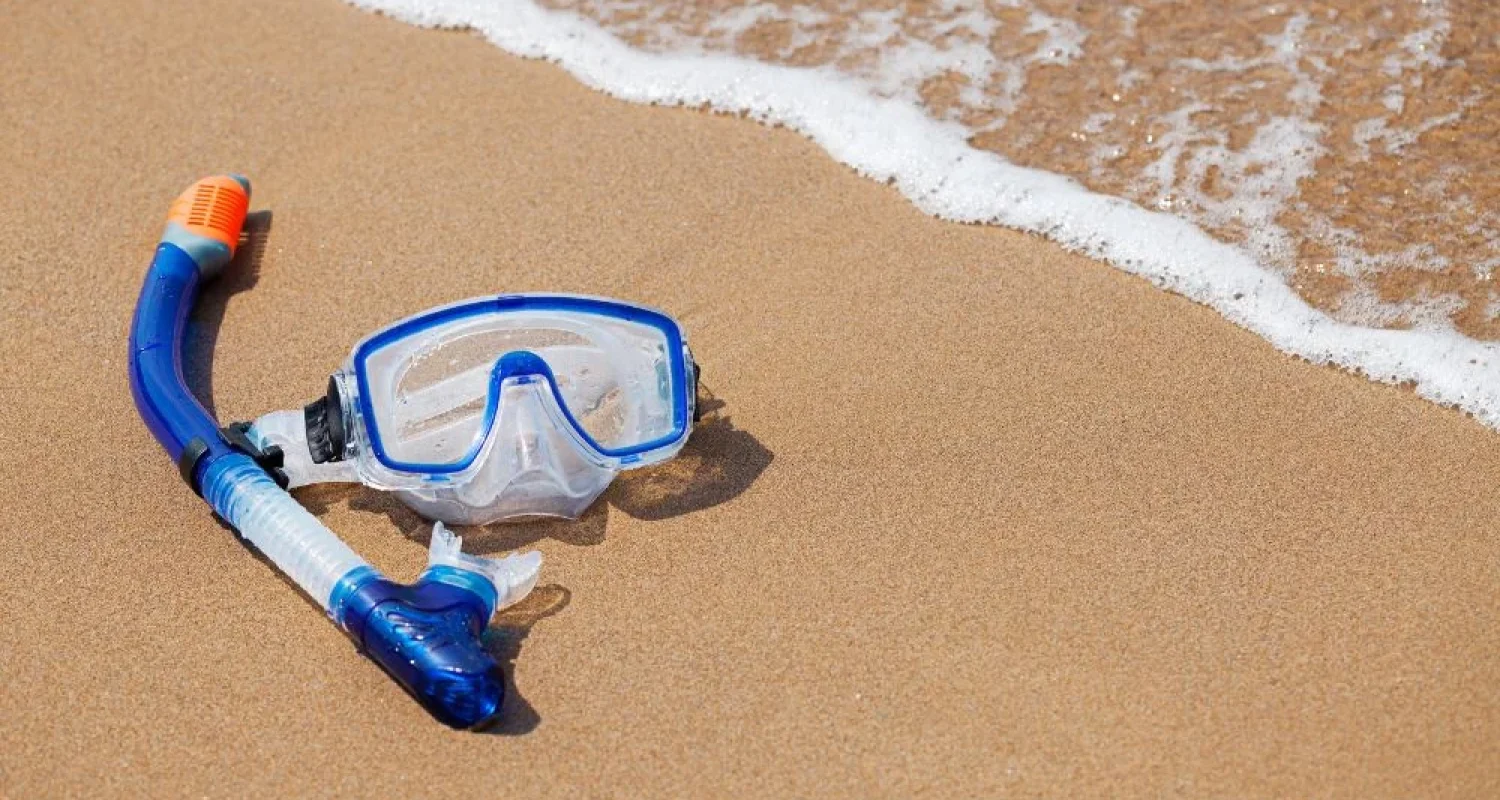
- Snorkel gear, if you plan to snorkel often. It’s easy to rent on the island, too. Our guide to Oahu snorkeling for beginners covers where to start.
- A beach umbrella or rented shade for long beach days. Summer is the calm season on most beaches, and you’ll want to stay longer.
Reef-safe sunscreen: what Hawaii’s law says
Since January 1, 2021, Hawaii has banned the sale of sunscreens that contain oxybenzone or octinoxate without a prescription. The two chemicals have been linked to harm to coral reefs.
The law covers what stores can sell, not what you can bring from home. But the reason behind it applies wherever you swim. The simplest choice is a mineral sunscreen made with zinc oxide or titanium dioxide. These are the only two sunscreen ingredients the US Food and Drug Administration currently treats as generally recognized as safe and effective.
Tips for using it well:
- Apply 15 to 20 minutes before you get in the water, so less washes off.
- Reapply after swimming and every two hours.
- Cover up with a rash guard and hat, and you’ll need less sunscreen in the first place.
Packing for a tour day? One day around the island needs a different, smaller bag. Our checklist for what to pack for a full day Oahu tour covers exactly what to bring, from cash for the food stops to a towel for Turtle Beach. See the full-day tour
Spring and fall: the in-between months
April, May, September and October sit between the two seasons, and they’re some of the most comfortable months to visit. Pack the summer list, but keep the light rain jacket in your bag in October, when the wetter months start. These shoulder months are often quieter, too, so you’ll find more room on the beaches and easier reservations.
Packing for kids
Families need a few extras on top of the seasonal list:
- Swim shirts and hats for every child, since little ones burn quickly.
- Water shoes for rocky beaches and tide pools.
- A change of clothes in the day bag, for after the beach.
- Snacks from home for long drives, especially on island loop days.
What to leave at home
- Heavy hiking boots, unless you’re planning serious hikes. Trail shoes are enough for most.
- Lots of formal clothes. Oahu dresses down.
- A big beach towel collection. Most hotels and rentals provide them.
- Valuables you’ll worry about. Don’t leave anything in a parked car at beaches or trailheads.
Bring respect, too
Some of the most important things to pack don’t go in a suitcase:
- Give wildlife space. Stay at least 10 feet from honu (green sea turtles) and well back from Hawaiian monk seals.
- Leave rocks, sand and coral where they are. Mālama ʻāina, care for the land, is part of being a good guest here.
- Stay on marked trails, and obey closure signs and lifeguards.
- Take your trash with you, even from places without bins.
A quick checklist by season
| Item | All year | Winter extra | Summer extra |
|---|---|---|---|
| Breathable clothes and swimwear | Yes | ||
| Sandals plus closed shoes | Yes | ||
| Mineral sunscreen, hat, sunglasses | Yes | Wide-brimmed hat | |
| Reusable water bottle | Yes | Electrolytes | |
| Light layer | Yes | Warm fleece or sweater | |
| Rain jacket | Yes | ||
| Rash guard | Yes | ||
| Binoculars | Whale season |
Good to know (checked October 2026)
Temperature and rain figures are 1991 to 2020 normals for Honolulu, from the State of Hawaii Data Book. Hawaii’s sunscreen law is Act 104 (2018), in effect since January 1, 2021. For current surf and beach conditions, check Hawaii Beach Safety.
FAQ
What should I pack for Oahu in winter?
Light summer clothes, plus a packable rain jacket and a light fleece or sweater for evenings. Add closed shoes for muddy trails and binoculars if you’re visiting during whale season.
Do I need a jacket in Oahu?
A light one, yes, especially from November to March. Evenings can drop into the 60s near the water, and showers are more common in winter.
What sunscreen is allowed in Hawaii?
Stores can’t sell sunscreen containing oxybenzone or octinoxate without a prescription. Mineral sunscreens with zinc oxide or titanium dioxide are the simplest reef-friendly choice.
What shoes should I bring to Oahu?
Sandals for the beach and town, and one pair of closed shoes with good grip for lookouts, short hikes and wet rocks. Heavy hiking boots are only needed for serious hikes.
What do people wear in Oahu?
Casual, light clothes. Shorts, sundresses and aloha shirts are normal almost everywhere, including most restaurants.
Is it rainy in Oahu in November?
November is part of the wetter season, but rain is usually brief. Honolulu stays mostly dry, while the windward side and the mountains get more showers. See our guide to Oahu in November.
Pack light, pack for the season
Start with the year-round basics, add a rain jacket and a warm layer in winter or extra sun protection in summer, and choose mineral sunscreen. Leave space in the bag for malasadas from Leonard’s.
Ready to see the island? Book the $59 Standard full-day tour, which includes a free malasada and free snorkel gear. On a budget? The Promo Full-Day Loop is $49 with code FANTASY50.
Aloha Fantasy Tours has run circle island tours on Oahu since 2010.